
Plumbing FAQs | Winder, GA
Plumber in Winder, GA FAQs | Winder Plumbing Pros
We built this FAQ page because the same questions come up again and again when we are out on calls across this part of Georgia. Between drain cleaning, water heater repair, pipe repair, repiping, water line replacement, fixture installation, garbage disposal repair, gas line work and emergency plumbing, we hear a lot of the same concerns from homeowners trying to figure out what is actually going on and what it will take to fix it. Every question below comes from real conversations we have had with local homeowners and folks in the surrounding communities, not a list pulled from somewhere else. We have worked in homes near the historic downtown with original clay and galvanized piping, and in newer subdivisions out toward Highway 211 and Highway 81 where the plumbing is barely a decade old. That range of experience means we can usually tell what is going on before we even open a wall. We believe in explaining things clearly instead of talking over your head, and we would rather walk you through a repair than leave you guessing. If you do not see your exact question here, that is what we are for, so reach out and ask us directly. Otherwise, read on for straightforward answers to the plumbing questions local homeowners ask us most.
General Plumbing Questions in Winder
When should I call a plumber instead of trying to fix something myself?
Small things like a loose aerator or a running toilet flapper are often fine to try yourself. Anything involving standing water, a pipe that has already burst, gas lines, or a repair you have already attempted without success is worth calling in for. Homes in this area vary a lot in age, and what looks like a simple fix can turn into a bigger issue if the underlying pipe or fitting is already worn out. When in doubt, a quick call saves you from turning a small leak into a much larger repair.
What counts as a plumbing emergency?
A burst pipe, a water heater leaking heavily, sewage backing up into a tub or drain, or a gas smell near an appliance all count as emergencies that need attention right away. A slow drain or a dripping faucet, while annoying, can usually wait for a scheduled visit. If you are ever unsure whether something in your home qualifies as urgent, it is better to reach out and describe what is happening so we can help you decide the next step.
Who is the best plumber for older homes in Winder?
The right plumber for an older home in this area is one who actually understands the materials those houses were built with, including galvanized steel, clay drain lines, and early copper. We spend a lot of time in the older neighborhoods near downtown, so we recognize the patterns those systems tend to develop, from slow corrosion to root intrusion in clay lines. Rather than treating every home the same, we adjust our diagnostic approach based on the age and construction of the property.
What plumbing problems are common in older homes in this area?
Older homes here often deal with corroded galvanized supply lines, clay or cast iron drain lines prone to root intrusion, aging water heaters tucked into tight closets, and outdated fixtures that leak more than they should. Low water pressure and rust colored water are both common complaints tied to pipe material rather than the water supply itself. We see these patterns often enough that we usually have a good idea of what to check first once we know the age of the home.
Do you work on newer homes and subdivisions too?
Yes, plenty of our calls come from newer construction around town as well. Newer homes tend to have PEX plumbing and modern fixtures, but that does not mean they are problem free. We see installation issues, water heater sizing mistakes, and pressure regulator problems in newer builds just as often as we see wear related issues in older homes, so we treat every service call with the same level of care.
How long have you been serving local homeowners?
We have spent years working on plumbing systems throughout this area and the surrounding towns, which has given us a real feel for how homes in this area are built and where they tend to run into trouble. That local experience means fewer surprises during a repair and a better sense of what questions to ask before we even walk in the door.
What should I expect during a typical plumbing visit?
We start by listening to what you have noticed, then move into diagnostics to confirm what is actually happening. Once we know the cause, we explain it in plain terms along with what the repair will involve before any work begins. We clean up after ourselves and walk you through what we did at the end of the visit, so you are never left wondering what happened behind the scenes.
Can hard water cause plumbing problems in local homes?
Hard water is common in parts of this area, and over time the mineral content can build up inside faucets, shower valves, and water heater tanks. That buildup speeds up wear on fixtures and can reduce water heater efficiency. If you notice white or chalky residue around faucets or showerheads, that is usually a sign hard water is playing a role, and it is worth mentioning when you call us.
Drain Cleaning and Clog FAQs in Winder
How much does drain cleaning cost?
The cost of drain cleaning here depends on where the clog sits, how severe it is, and what method the job actually needs. A single fixture clog cleared with a cable snake is a smaller job than a whole house backup that needs hydro jetting or a camera inspection. Rather than guessing over the phone, we like to take a look first so we can explain what the situation actually calls for before any work starts.
What is the difference between hydro jetting and snaking?
Snaking uses a cable to break through or pull out a clog at a specific point in the line, which works well for straightforward blockages. Hydro jetting uses high pressure water to scour the entire inside of the pipe, which is more effective against grease buildup, root intrusion, and recurring clogs. For older homes in this area with clay or cast iron lines, we often recommend jetting when snaking alone has not solved the problem for good.
Why does my kitchen sink keep clogging?
A kitchen sink drain that keeps backing up is usually dealing with grease, food particles, or soap buildup that has narrowed the pipe over time. If the clog keeps returning even after clearing it, there may be a partial blockage further down the line that needs a closer look. We can run a camera through the line to see exactly what is going on instead of just treating the surface symptom again and again.
What causes a slow draining bathtub?
Hair, soap residue, and mineral buildup from hard water are the most common culprits behind a slow draining bathtub. In older homes here, corroded or narrowed pipe interiors can also slow drainage even after the visible clog is cleared. We usually start with a simple cable snake and go from there, checking whether the slow drain is isolated to that fixture or part of a larger pattern in the home.
Can I use store bought drain cleaner on a clogged toilet?
We generally recommend against it. Chemical drain cleaners are not designed for toilets and can damage the porcelain or the wax seal without actually clearing the clog. If plunging does not work, a plumber can use a closet auger or pull the toilet to clear the blockage safely, especially if something other than paper is causing the backup.
How do I know if a clog is deeper in the line?
If a clog keeps coming back in the same drain, or if multiple fixtures in the house are backing up at once, that usually points to a deeper blockage rather than a simple surface clog. Gurgling sounds from other drains when you flush or run water is another sign worth paying attention to. A camera inspection is the most reliable way to confirm exactly where the problem sits.
Water Heater Repair and Installation FAQs in Winder
What are the signs my water heater needs replacement?
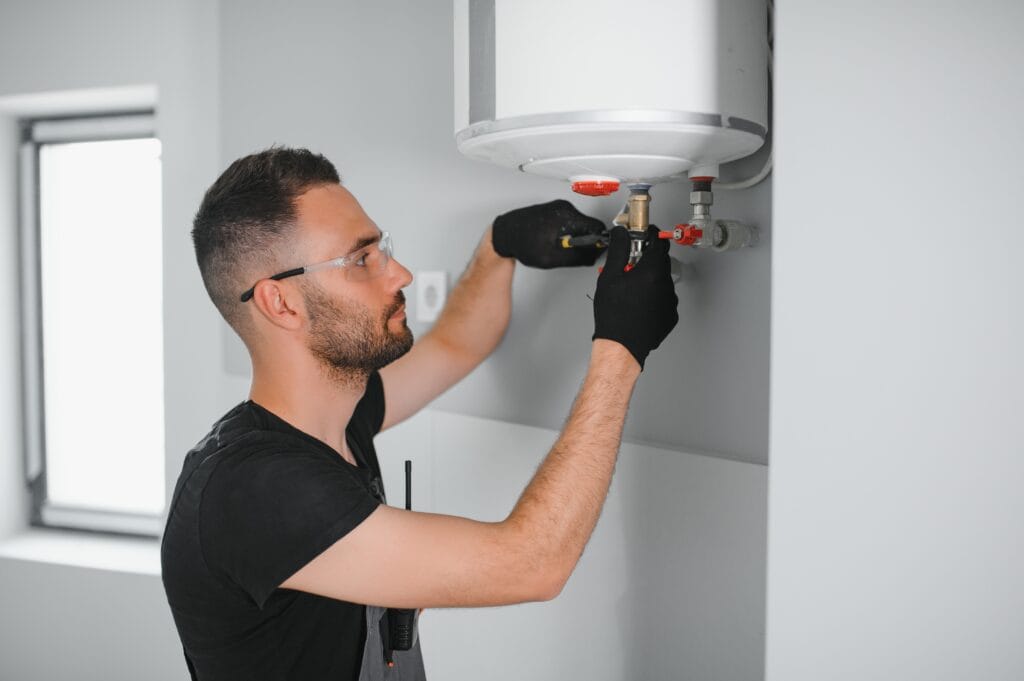
Rust colored hot water, a tank that is leaking from the bottom, popping or rumbling noises, and a unit that is more than ten to twelve years old are all signs replacement is worth considering. If repairs are becoming frequent or the tank shows visible corrosion, patching it further usually just delays the inevitable. We can look at the specific unit and give you a straight answer about whether repair still makes sense.
When should I call for no hot water?
If your water heater has stopped producing hot water entirely, that is worth calling about the same day, especially in colder months. The cause could be anything from a tripped breaker or failed heating element to a pilot light that will not stay lit. We can usually diagnose the issue quickly once we are on site and let you know whether it is a simple fix or something more involved.
Do you install tankless water heaters?
Yes, we install and service tankless water heaters for local homeowners interested in the space savings and long term efficiency they offer. Switching from a traditional tank often means adjusting gas line sizing and venting, which we walk through before installation so there are no surprises partway through the job. We can also help you decide whether a tankless unit fits your household’s hot water habits.
Why is my water heater leaking from the bottom?
A water heater leaking from the bottom is often a sign the tank itself has started to corrode internally, which usually means replacement rather than repair. It can also be a loose drain valve or a fitting that has worked itself loose over time, which is a simpler fix. We check both possibilities before recommending a full replacement, since not every leak means the tank is done.
How long do water heaters typically last in local homes?
Most tank style water heaters last around eight to twelve years, though hard water and heavy usage can shorten that lifespan. Tankless units tend to last longer with proper maintenance. If your tank is approaching or past that range, it is worth having it looked at so a small issue does not turn into a sudden failure and a cold shower on a random morning.
Is it better to repair or replace an older water heater?
It depends on the age of the unit and what is actually wrong with it. A newer tank with a failed thermostat or heating element is usually worth repairing, while an older tank with tank corrosion or repeated issues is often better replaced. We explain the tradeoffs plainly so you can decide what makes the most sense for your household rather than just patching something that is close to failing anyway.
Why does my water heater make popping or rumbling noises?
Those noises usually come from sediment buildup at the bottom of the tank, which is common in areas with hard water like this one. As water heats up underneath that sediment layer, it creates the popping sound you are hearing. Flushing the tank periodically can reduce this, and if the noise is new or getting louder, it is worth having the tank checked before it leads to bigger problems.
What size water heater does a typical home in this area need?
Sizing depends on household size, number of bathrooms, and hot water habits more than the size of the house itself. A family of four with two bathrooms typically needs a larger tank or a properly sized tankless unit than a smaller household. We look at your actual usage patterns rather than guessing, so you end up with a system that keeps up without running larger than it needs to be.
Pipe Repair, Repiping and Water Line FAQs in Winder
What causes low water pressure in local homes?
Low water pressure can come from mineral buildup inside older pipes, a failing pressure regulator, a partially closed valve, or a developing leak somewhere in the system. In older parts of town, corroded galvanized piping is a frequent cause. We test pressure at different points in the house to narrow down whether the issue is isolated to one fixture or affecting the whole home before recommending a fix.
Do you handle repiping older homes in Winder?
Yes, repiping older homes is one of the more common projects we take on around here, especially in houses still running original galvanized or early copper supply lines. We plan the work in stages so your household is not without water for long, and we walk through material choices, usually PEX or copper, based on what fits your home and your household’s needs.
What is slab leak detection and how does it work?
Slab leak detection involves using listening equipment and pressure testing to pinpoint a leak in a pipe buried under the concrete foundation without tearing up the whole floor. Signs include a warm spot on the floor, a water bill that climbed without explanation, or the water meter still spinning with everything off. Once we locate the leak, we discuss whether a direct repair or rerouting the line makes more sense.
What should I do about a leaking pipe in a wall?
If you notice a wet spot, staining, or a sagging area on a wall or ceiling, shut off the water supply to that section if you can, then call a plumber before the damage spreads further. A leaking pipe in a wall rarely stays small for long, and catching it early can mean the difference between a targeted repair and a much larger drywall and flooring project.
How do I know if I have a main water line leak?
A soggy patch in the yard with no clear cause, a sudden drop in water pressure throughout the house, or a water bill that jumped without any change in usage are all signs worth investigating. We use listening equipment to locate the exact spot before any digging starts, which keeps the repair as targeted as possible and protects your landscaping in the process.
Can frozen pipes be a problem here in the winter?
This area does not see extreme cold most winters, but a hard freeze can still catch homes off guard, especially pipes running through unheated crawl spaces or exterior walls. When pipes freeze and expand, they can crack or split, leading to a leak or burst once things thaw. Insulating exposed pipes ahead of a cold snap is a simple way to reduce the risk.
Garbage Disposal Repair and Installation FAQs in Winder
How do I fix a jammed garbage disposal?
A jammed disposal often just needs the reset button on the bottom of the unit pressed, or the flywheel manually freed using an Allen wrench in the center bottom hole, with the power off first. If it still will not turn after that, there may be a bigger obstruction or a failed motor, which is when it makes sense to call in help rather than keep forcing it.
Why does my garbage disposal hum but not spin?
A humming sound with no blade movement usually means the flywheel is jammed by something stuck inside, though it can also point to a failing motor. We check for a simple obstruction first, since that solves the issue more often than people expect, before assuming the unit needs to be replaced entirely.
How long do garbage disposals usually last?
Most garbage disposals last somewhere between eight and fifteen years depending on usage and maintenance. Running cold water while using it and avoiding fibrous scraps like celery or corn husks can extend its life. If yours is leaking, making unusual noises, or failing frequently, it is often more practical to replace it than keep repairing an aging unit.
Can I install a garbage disposal myself?
It is possible for someone comfortable with basic electrical and plumbing work, but disposal installation involves both wiring and plumbing connections that need to be done correctly to avoid leaks or electrical issues. We match horsepower and mounting style to your existing setup, which helps the new unit drain and run properly from the very first use.
Why does my disposal keep tripping the breaker?
A disposal that trips the breaker repeatedly is often struggling against a jam or has a motor that is drawing more power than it should. Continuing to reset the breaker without addressing the cause can wear down the motor further or create an electrical hazard, so it is worth having the unit checked rather than resetting it over and over.
What should I avoid putting down my garbage disposal?
Grease, fibrous vegetables, coffee grounds, eggshells, and starchy foods like pasta or rice can all contribute to clogs or strain the motor over time. Running cold water during and after use helps flush waste through the line. Being mindful of what goes down the disposal is one of the easiest ways to avoid an early repair call.
Plumbing Fixture Installation and Repair FAQs in Winder
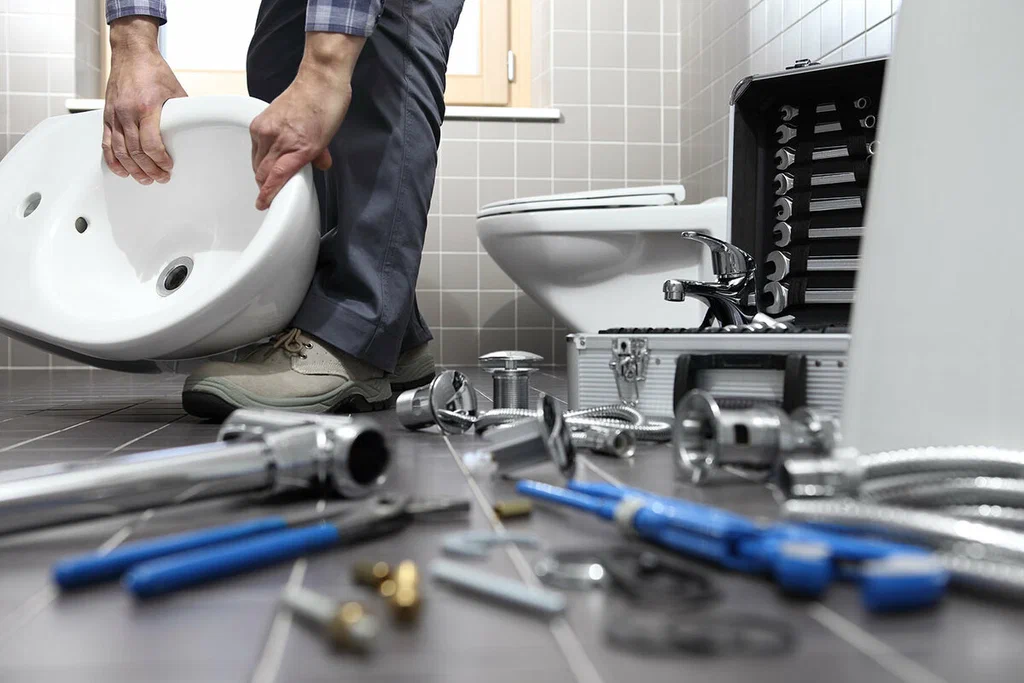
What should I know before toilet installation?
Before installing a new toilet, it helps to know the rough in measurement, which is the distance from the wall to the center of the floor drain, since toilets are not all built to the same spacing. We also check the condition of the wax ring, shutoff valve, and flooring underneath before setting the new fixture, so the installation holds up rather than needing attention again soon after.
Why does my faucet keep dripping all night?
A faucet dripping all night is almost always a worn washer, O ring, or cartridge inside the fixture that is no longer sealing properly. Mineral buildup from hard water can also contribute to the wear. Replacing the internal part usually solves it, and in most cases we can repair rather than replace the entire faucet.
What causes a shower valve to need replacement?
Shower valve replacement usually comes up when the hot and cold controls stop mixing properly, the handle becomes hard to turn, or the valve starts leaking behind the wall. Mineral deposits and general wear over years of use are the most common causes. We can often replace just the valve cartridge rather than the entire assembly, depending on what is actually failing.
How do I stop my toilet from running constantly?
A toilet that keeps running is usually caused by a worn flapper that is not sealing the tank properly, or a fill valve that is not shutting off at the right level. Both are relatively simple fixes once we confirm which part is the culprit. Left unaddressed, a running toilet can waste a surprising amount of water over time.
Do you install fixtures for condo or apartment units?
Yes, we install and repair fixtures for condo and apartment units around town in addition to single family homes. Multi unit buildings sometimes involve shared lines or specific building requirements, so we take that into account when planning fixture work to avoid affecting other units in the process.
Gas Line and Emergency Plumbing FAQs in Winder
What should I know about gas line safety?
Gas line work should always be pressure tested before it is considered finished, and any signs of corrosion or damage on existing fittings should be addressed right away rather than left alone. If you smell gas or suspect a gas leak, go outside immediately and call 911 – this is a serious emergency that needs urgent attention from the gas company. We take every gas line call seriously, whether it is a new stove installation or an older line that needs a closer look.
What should I do for a burst pipe in Winder?
Locate your main water shutoff valve and turn it off completely as soon as you notice a burst pipe, then clear the area of anything the water could damage. From there, call a plumber right away, since a burst pipe can put out a large amount of water quickly and cause serious damage the longer it runs. We prioritize these calls because of how fast the situation can escalate.
How fast can an emergency plumber arrive in Winder?
Response time depends on current scheduling and where in the area you are located, but true emergencies get priority over routine calls. Active leaks, burst pipes, and no hot water in cold weather all move to the front of the line. When you call, describing exactly what is happening helps us gauge how quickly we need to get someone out to you.
Do you offer 24 hour plumbing service?
Yes, we offer 24 hour plumber service across the area for situations that cannot wait until regular business hours. Burst pipes, major leaks, sewage backups, and water heaters failing overnight are the kinds of calls that fall into this category. If you are dealing with an active emergency, reach out any time rather than waiting until morning.
What should I do if I smell gas near an appliance?
If you smell gas or suspect a gas leak, go outside immediately and call 911 – this is a serious emergency that needs urgent attention from the gas company. Do not try to locate the source yourself or operate any switches or appliances nearby. Once it is safe, a plumber can inspect the line and fittings to determine what caused the smell and make the needed repair.
Can you install a gas line for a new stove?
Yes, gas line installation for a stove is one of the more common gas related jobs we handle around town, whether it is a straight swap for an existing gas range or a new run for a kitchen that previously used electric. Every gas line job gets pressure tested before we consider it finished, so you can cook with confidence once the appliance is connected.
Service Area and Scheduling Questions for Winder
How soon can I get a same day plumber in Winder?
In many cases we can work you into the schedule the same day, especially for active leaks, no hot water, or a fully blocked drain. Availability depends on what else is on the schedule that day, but urgent situations get priority. Reaching out early in the day gives us the best chance of fitting you in before evening.
Is there a plumber near me who works on condos or apartments?
Yes, we work on plumbing for condos and apartment units throughout the area in addition to single family homes. Shared lines and building specific requirements in multi unit properties can make diagnosis a little more involved, so we take extra care to identify whether an issue is isolated to one unit or part of a larger building system.
What areas do you serve besides Winder?
We regularly serve Dacula, Auburn and Statham, plus several of the smaller communities nearby in Barrow County. Our crews know the roads and the general age and style of homes across this part of the county, which helps us show up prepared rather than learning the area during the visit itself.
How do I schedule a plumbing visit?
Tell us what is going on, whether it is a slow drain, a leaking pipe, or something more urgent, and we will find a time that works for your schedule. For pressing issues, we prioritize getting someone out quickly rather than making you wait days for an opening. A few details about the problem ahead of time help us bring the right equipment on the first visit.
What should I do before the plumber arrives?
If you have an active leak, locate and shut off your main water valve if it is safe to reach. Clear the area around the affected fixture or pipe so we have room to work, and try to note when the problem started and whether it has changed. That information helps us diagnose the issue faster once we are on site in your home.
Why Winder Homeowners Keep Coming Back to Winder Plumbing Pros
Homeowners across the area come back to us because we take the time to actually explain what is happening instead of leaving them guessing. One family near the historic downtown had a recurring kitchen clog that kept returning after every plunging attempt, and a camera inspection finally showed a partially collapsed section of pipe, not a simple clog at all, which meant the fix actually stuck this time. Another homeowner called us about a water heater making a rumbling noise for months, and once we flushed years of sediment buildup, the noise disappeared and the tank ran quieter and more efficiently. A Dacula area family dealing with a burst pipe in a laundry room wall appreciated how quickly we arrived and how clearly we walked them through the repair afterward. We have also helped homeowners in older neighborhoods around town plan out full repiping projects in stages, so they were never left without water for more than a short stretch. That kind of consistency, explaining the why behind every repair and following through on scheduling, is what keeps people calling us the next time something comes up.
We have seen just about every plumbing situation a home in this area can throw at us, from century old clay drain lines near downtown to brand new tankless installations out toward the newer subdivisions. This FAQ page only covers the questions we hear most often, and every home is a little different, so if something you are dealing with is not listed here, that just means it is worth a conversation. We would rather answer a question upfront than have you guess and end up with a bigger repair later. Whether it is a slow drain, a water heater on its last leg, or a full blown emergency, our approach stays the same, find the actual cause, explain it clearly, and fix it right the first time.
Zip codes we serve: 30680, 30019, 30011, 30666, 30620Plumbing Pro Services
Committed To Flowing Water & Peace Of Mind
Reliable plumbing solutions for residential and commercial needs. We ensure your pipes, drains, and fixtures are working perfectly.
We Deliver Expert Results
Don’t gamble with your plumbing. We combine years of experience with modern technology to deliver lasting repairs and installations. Our team respects your time and your property.
- Fixture Installation
- Leak Detection
- Modern Diagnostics
- Drain Cleaning